03 / Earlier work · Maven Messenger
From a conversation to a purchase
Maven Messenger helped shoppers browse and buy from small businesses while staying connected through chat. I led design strategy and hands-on design from concept to launch. The central challenge was balancing a conversation-first product direction with shoppers’ desire to explore independently and ask for help when they needed it.
- Role
- Design lead
0→1 strategy & hands-on design - Team
- 3 designers, Product, Engineering, and GTM.
- Platform
- Consumer & business apps
iOS & Android
Maven Messenger
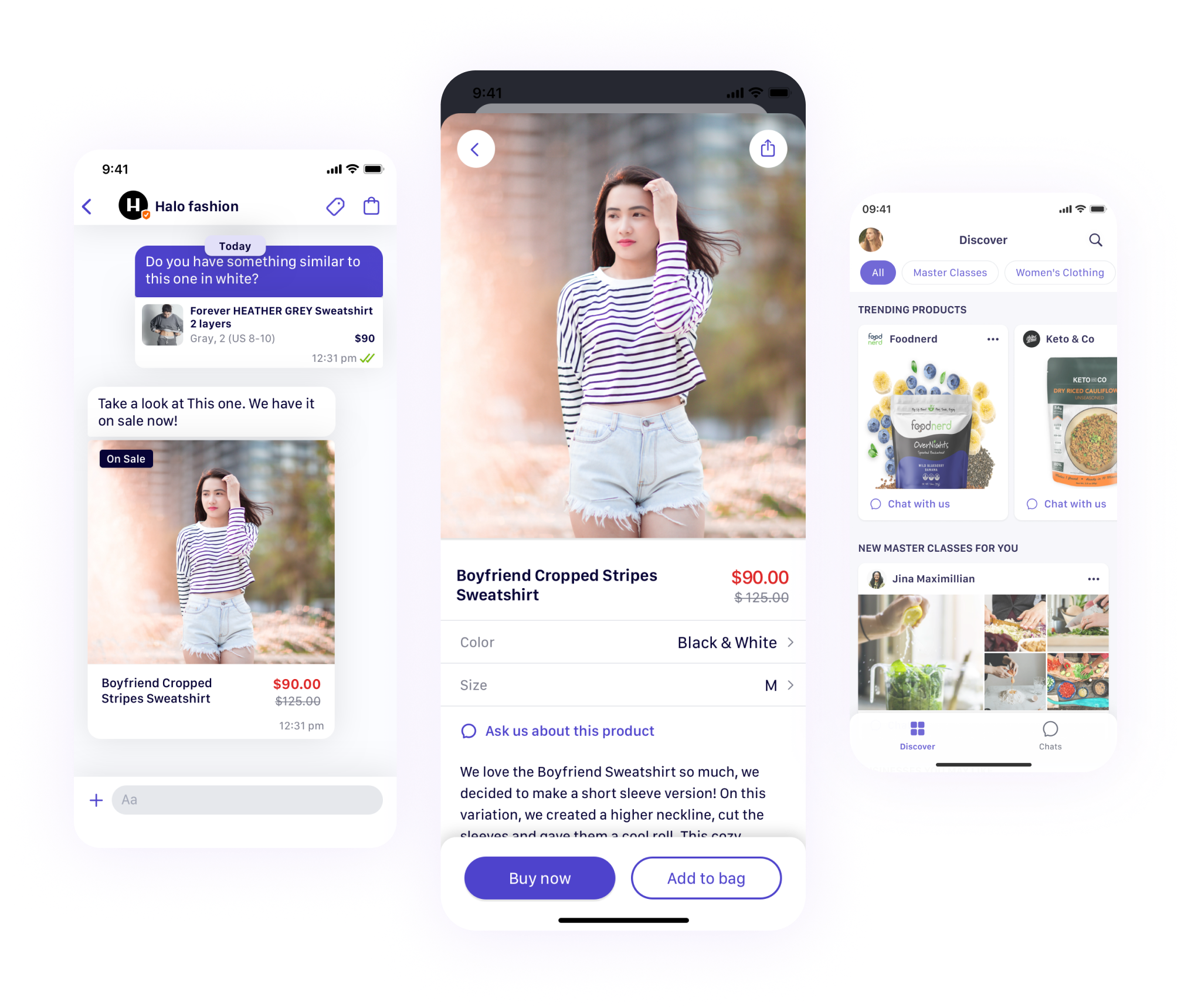
A cCommerce app that hosts hundreds of small businesses and allows consumers to purchase while chatting with the businesses.
* How I work
To start this project, I needed to understand the need and how it is aligned with our business goals.
Understand the need
What is this app trying to solve for?
What are the business goals?
How do we plan to monetize it, and how might it conflict with the customer and the end user needs?
Research
Understand the commerce market, identify gaps, existing solutions, and where Maven could fit.
Alignment and ideation
Align with Product and leadership on a research-informed direction, then explore design concepts.
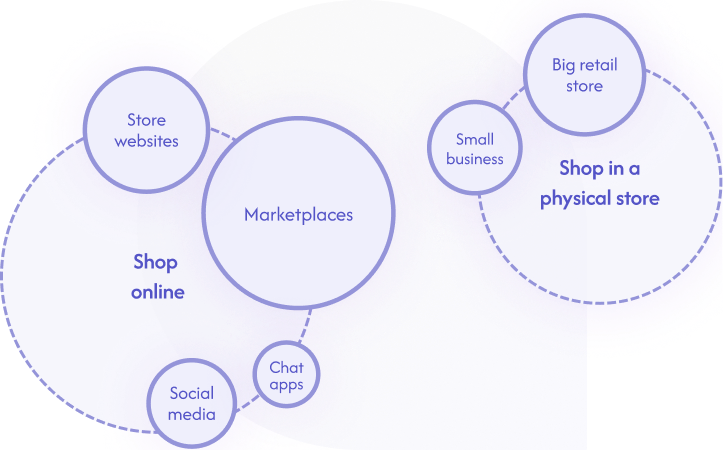
01 Understand how we shop
- What are our shopping patterns?
- When do we usually ask for help?
- What are the pros & cons of in-store shopping and online shopping?
- How does shopping at a small business differ from shopping at a large retailer?
- What online shopping solutions are out there?
02 Understanding the purchase journey and when shoppers need help
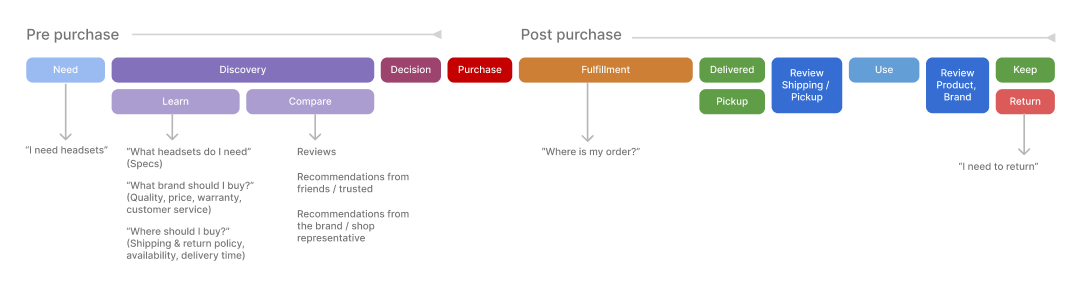
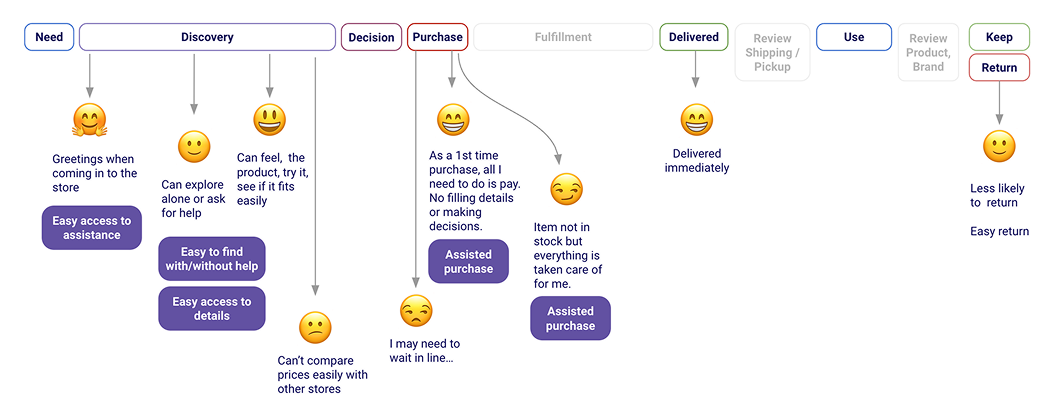
Understanding the phases helped me build the app architecture and understand the flows we needed to support. Learning when users reach out for help informed me when a conversation would take place.
Looking at the in-store experience helped me understand where those worlds (online and in-store) meet and identify what works better when, especially when it comes to communicating with the store.
Purchase life cycle
When we reach out for assistance
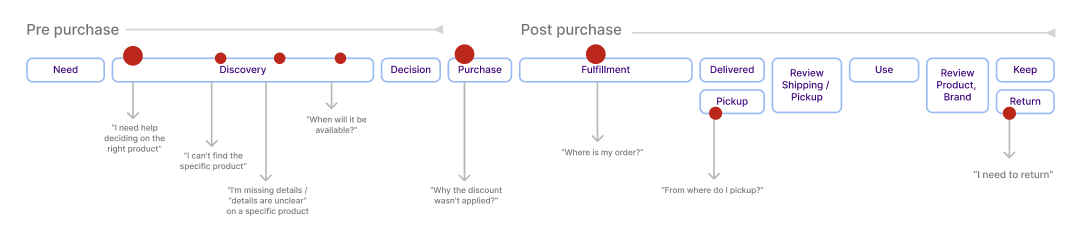
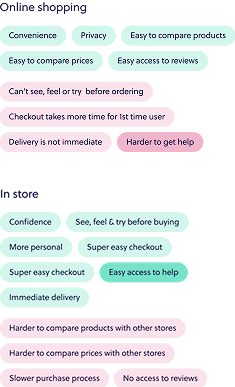
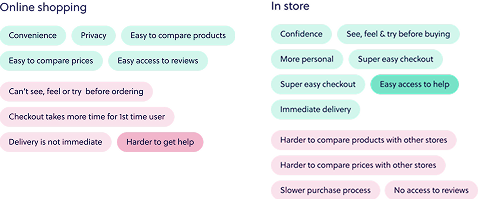
Getting help online is much harder than in-store, where the customer has easy access to assistance. That access reduces friction in the purchase process.
I then looked at the differences between purchasing in a small business store and a big retail store. I noticed that assistance in small business stores is much more accessible during discovery, when you need help deciding on the product you want to buy.
Small Business Store
Big Retail Store
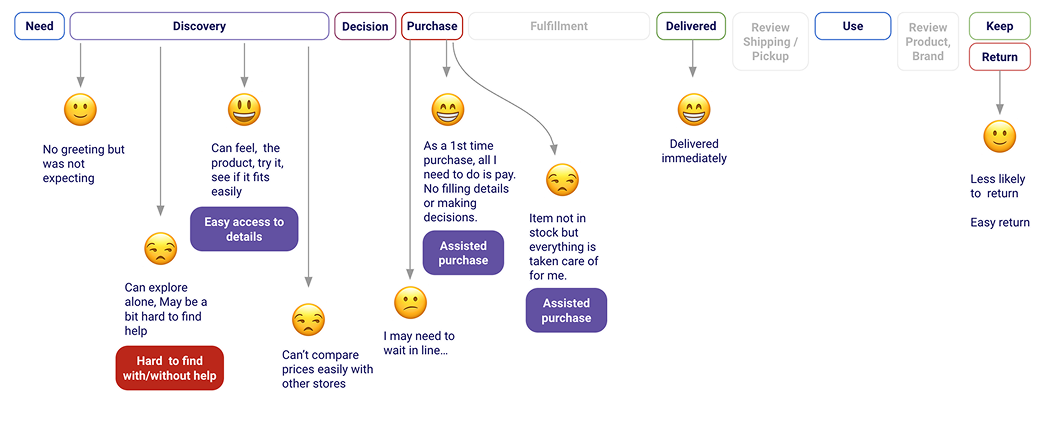
The research showed that shoppers need help at different points, from choosing a product to placing an order or resolving an issue after purchase. Conversation needed to be available throughout the journey, while allowing shoppers to browse and buy independently, without having to contact the business.
03 Competitive analysis
What is already out there?
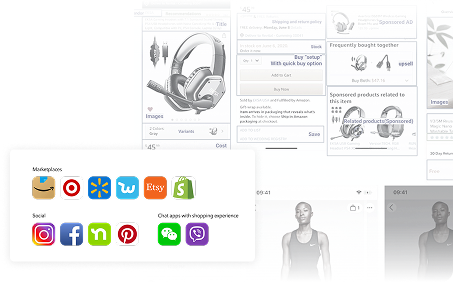
I wanted to identify information & layout patterns in the different online shopping experiences:
- Marketplaces
- Social marketplaces (social commerce was at the beginning when we did this project)
- Existing cCommerce (at that time only WeChat had a complete purchase experience in the app)
04 Requirements that conflict with user behavior
The requirement puts the conversation with the brand at the center of the shopping experience. But research showed that many shoppers wanted to browse independently, with help available when they needed it.
I helped leadership understand the conflict and align on a direction.
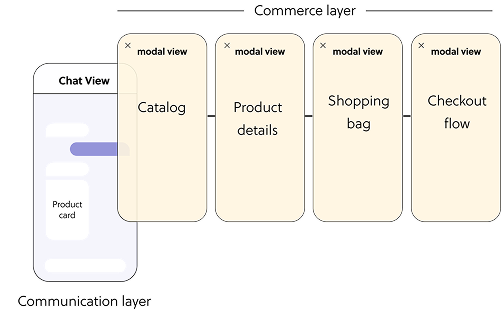
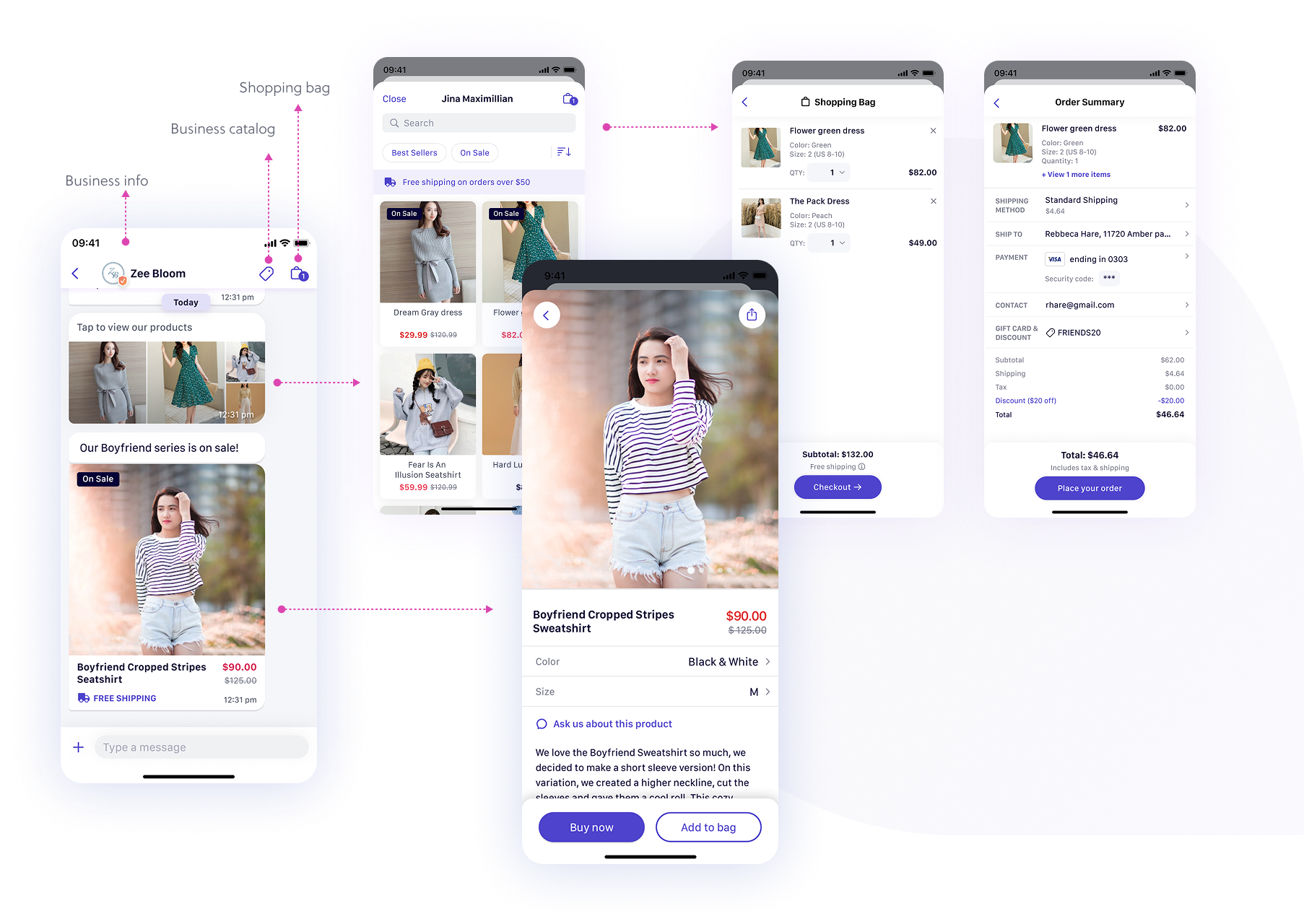
I proposed a separate commerce layer connected to chat. Shoppers could move between browsing, product details, checkout, and conversation without requiring assistance at every step.
I brought the research and proposed interaction model to leadership, clarified how it supported the product goals, and secured agreement to move forward.
05 From planning to execution
With the research findings and agreed direction in place, I began designing the information architecture and mapping the flows between browsing, purchasing, and conversation.
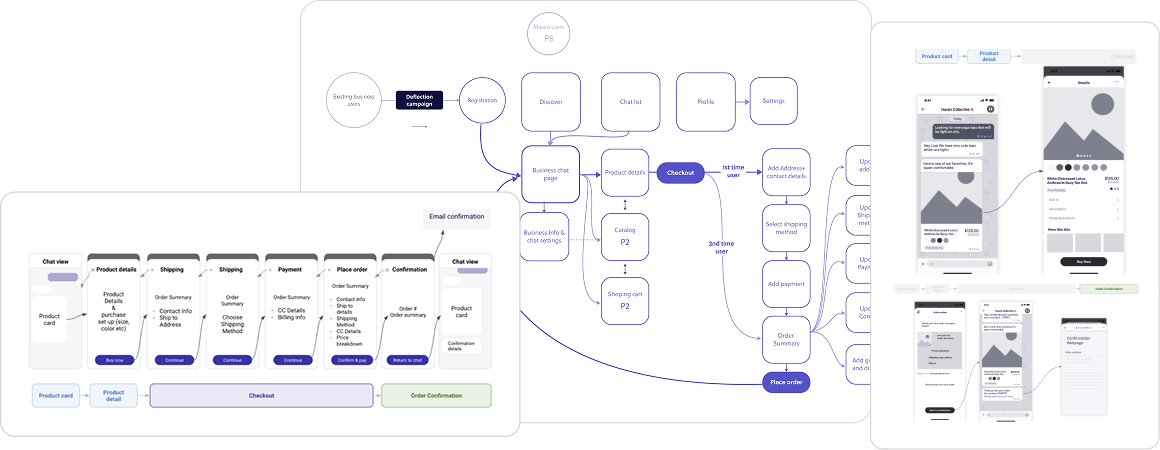
To support a fast launch, we used native mobile components where possible to reduce implementation complexity and potential issues during App Store submission.
06 Feedback & iterations
We used data analytics, A/B testing and user testing to understand what needed to be improved.
We tracked interactions, time spent, repeat visits, and navigation paths alongside testing. We used A/B testing and classic user testing in addition to real data to get more visibility and understand how to iterate and improve.
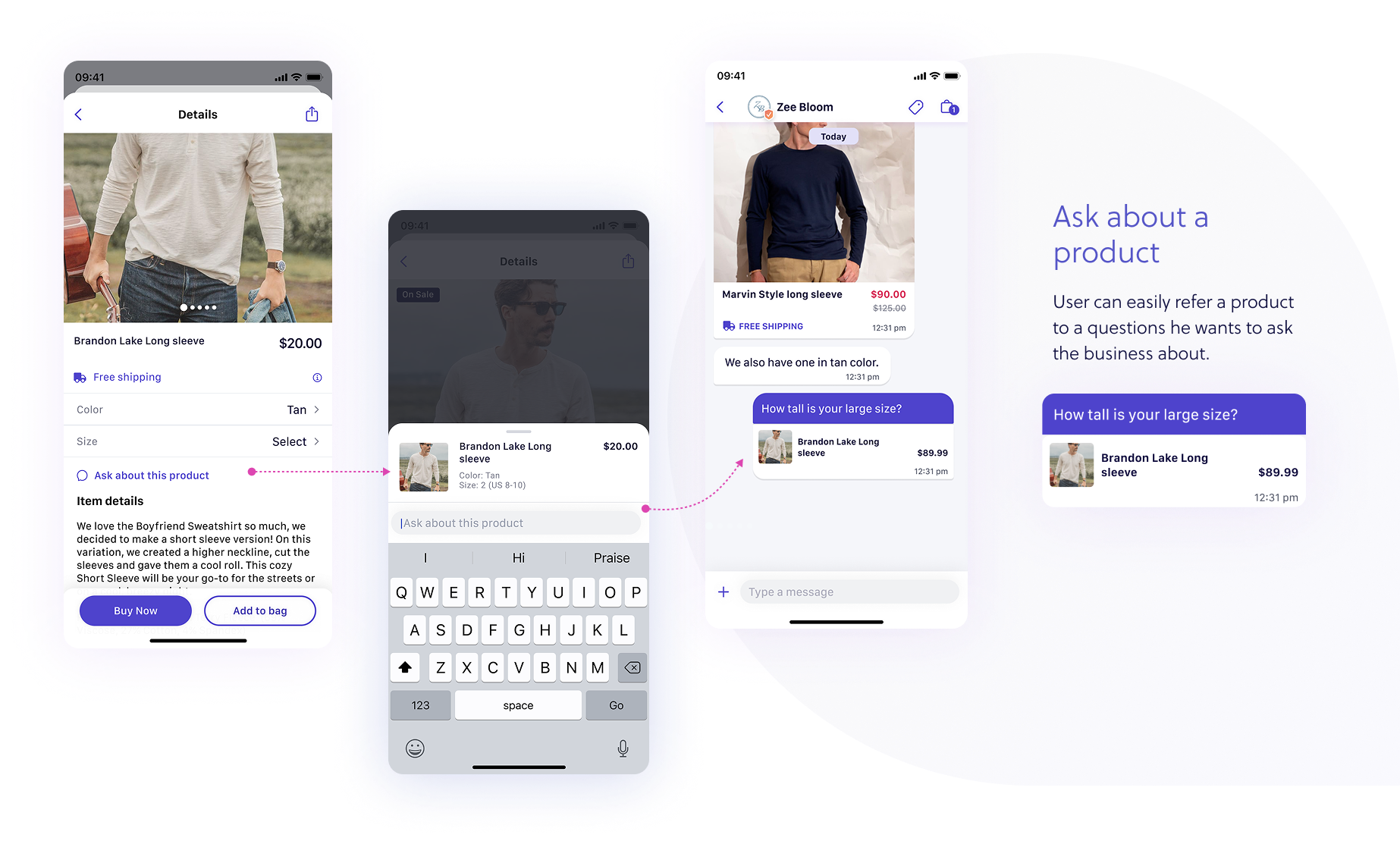
Keeping product context attached to the question.
Reviewing chat questions revealed a recurring problem: shoppers asked about specific products but struggled to explain which one they meant, leading to repeated clarification.
I designed a way to attach the product directly to the question, giving the business the context needed to respond.
Getting order status
Digging into our data and connecting with the brands, we saw that 90% of the questions were order related. The most common inquiry was about the order status.
Initially, order updates arrived as text messages and push notifications, making them difficult to track within the conversation. I designed richer order-status cards showing progress, order details, and a tracking action directly in the chat. I also designed a view accessible from chat details or any status card, where shoppers could see their current order details and order history with that business.
Finding orders across businesses remained unresolved
Scoping down the feature left us addressing only part of the issue. Managing orders made through our app across various businesses was still challenging. There was no place outside the conversation with the brand that consolidated all orders from all the businesses a shopper had purchased from. This feature was scoped down despite the user feedback we received.
Proposed next steps
I prepared a list of features for the next phase:
- Access all your orders from a dedicated view in the app
- Filter the chat list by active orders
- When accessing a conversation with active orders, display a quick reply: “Where is my order”
- Make “Ask about this order” accessible from the order details view
07 Keeping the project moving and helping designers grow
I led design across the consumer and business apps, working closely with Product, Engineering, and our technical project manager. When we had a gap in product management, I took on additional product responsibilities to keep the project moving rather than waiting for a new PM to join.
I also guided and mentored two designers. On the consumer app, I partnered with a designer on his work, helping him develop his designs and build the confidence to explain his reasoning, stand behind his ideas, and speak up in discussions.
A second designer created the initial business-app designs with my guidance before moving to another project. The consumer-app designer then took ownership of that work, with my continued support and design direction.
08 Launch and reach

10,000+Users

1,500+Businesses
Maven Messenger brought browsing, purchasing, and conversations with businesses into one app. After launch, we continued refining the experience using analytics and user feedback, including product-specific questions and richer order-status updates, homepage and search capabilities and more.